



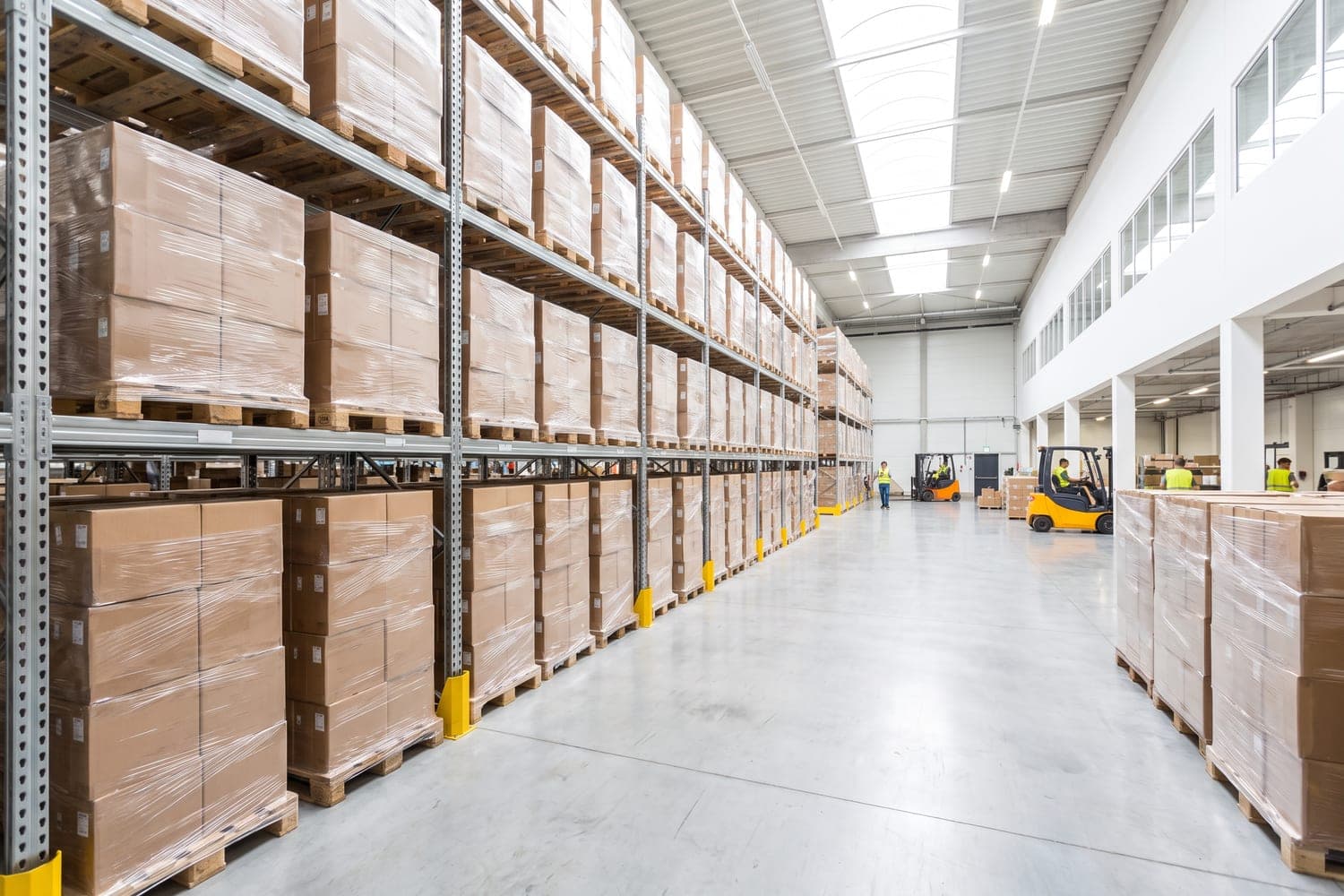
Importing laptops to Peru for resale means buying units abroad, clearing them through Peruvian customs with a licensed customs broker and paying the duties and taxes that apply before you sell. Resellers have two routes: import directly or source from a laptop supplier in Peru with a B2B platform, such as PHONIX.
Key takeaways
- Importing laptops into Peru involves duties, taxes and customs procedures that change over time: always confirm them with a customs broker.
- Compare landed cost, not unit price. Freight, insurance, taxes and handling decide whether the deal works.
- A B2B supplier with operations in Peru lets you quote several brands in one place; check in the quote what the price includes and what stays on your side.
- PHONIX has an operation in Lima, works only with businesses and sends quotes in 24 hours.
What does a laptop importer in Peru actually do?
A laptop importer brings units from a manufacturer or a distributor in another country and makes them available to the Peruvian market. The job goes well beyond picking models. The importer negotiates with the foreign supplier, books freight and cargo insurance, hires a customs broker to handle clearance, pays the applicable duties and taxes, and then sells to resellers, retailers, integrators and companies.
In Peru, customs is administered by SUNAT, and goods are usually cleared through a customs broker (agente de aduanas). That is why many resellers do not import directly. They buy from an importer or a technology wholesaler that has already solved that part and put their time into selling.
So the useful question for a reseller is not only "how do I import laptops?" but "should I import, or should I source locally?". The answer depends on your volume, your working capital and your experience with international trade.
Should you import laptops yourself or buy from a supplier in Peru?
Both routes work. This is how they compare for a business that buys laptops for resale:
| What to compare | Importing directly | Buying from a B2B supplier with operations in Peru |
|---|---|---|
| Import procedures | You coordinate them with your customs broker | Confirm in the quote what the supplier handles and what stays on your side |
| Working capital | You pay the foreign supplier, freight and taxes before you sell | You pay the order under each operation's terms; qualified customers can access credit lines |
| Brand range | Depends on how many foreign suppliers you negotiate with | One catalog with several brands; PHONIX works with 23+ |
| Operational risk | You carry paperwork errors, delays and exchange rate swings | You have a sales executive to answer questions about the order |
| When it usually fits | Large, repeat volumes of a few models, with import experience | Mixed orders, fast-changing models, or when you would rather focus on selling |
Many businesses combine both. They import their best sellers directly and fill the rest of the range through a laptop supplier in Peru, so they do not tie up capital across the whole portfolio.
What costs should you add up when importing laptops for resale?
The most common mistake is comparing unit prices. Your margin is decided by landed cost: everything you pay until the laptop is ready to sell through your sales channels. For laptops imported for resale, that calculation usually includes:
- Unit price under the delivery terms agreed with the foreign supplier.
- International freight and cargo insurance.
- Import duties and taxes that apply under the product's tariff classification and the rules in force.
- Customs broker fees and clearance charges.
- Port or terminal charges and inland transport to your door.
- Exchange rate and financing cost of the capital tied up while the goods are in transit.
This guide deliberately gives no duty rates or percentages. They depend on the product, the declared value and the regulations in force when you import, and they change. Ask your customs broker to run the numbers on a real quote and compare the result with a local supplier's quote before you decide.
Which customs procedures should you plan for?
Importing laptops into Peru requires customs procedures, and the right way to handle them depends on your case: the type of company, the shipment value, the import regime and the characteristics of the equipment. A few points apply to almost any import:
- Commercial and transport documents. The foreign supplier issues the commercial invoice, and the cargo travels with its transport document and packing list, among other documents your broker will ask for.
- Correct tariff classification. It drives the taxes you pay. A wrong classification can lead to queries from customs and extra costs.
- Additional permits or registrations. Some equipment may need them, for example because of wireless connectivity features. Your customs broker will tell you whether they apply to the models you plan to bring in.
Our advice is simple: before you buy the first lot, talk to a customs broker and check SUNAT's official information. Figures that circulate on forums are often out of date.
Which laptops make sense to import or buy for resale in Peru?
What sells best is what your customers already ask for. In practice, resellers in Peru tend to work with three lines:
- Business laptops for companies, institutions and professionals who buy in volume. See the business laptops on the PHONIX Peru B2B platform.
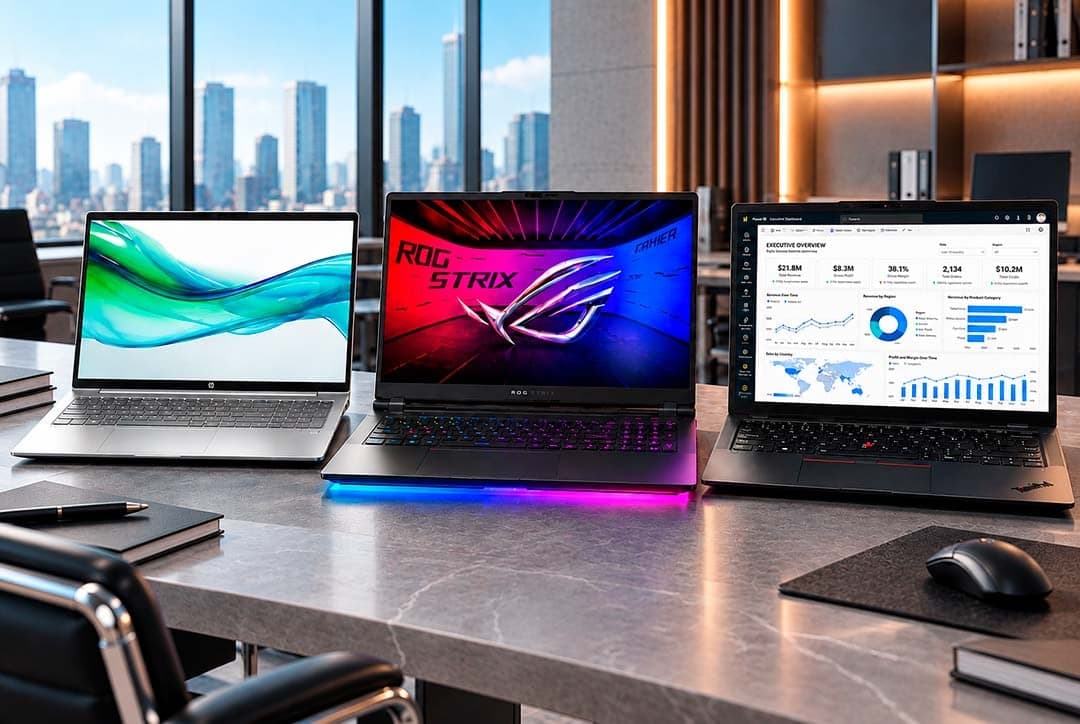
- Gaming laptops for buyers who compare specs and care about processor, graphics card and display. Browse the gaming laptops on the PHONIX Peru B2B platform.
- General-use laptops for home, study and office, with steady turnover.
On brands, Peruvian buyers recognize HP, Lenovo, Dell, ASUS, Acer and Apple, among others. If you serve the corporate channel, review the HP portfolio on the PHONIX Peru B2B platform and the Lenovo portfolio on the PHONIX Peru B2B platform.
Beyond the brand, check the details that matter for resale in Peru: a Spanish keyboard layout, the memory, storage and processor configuration (Intel or AMD), the operating system included and how warranty claims are handled.
What should you check in a quote before you confirm the order?
Whether you import or buy from a supplier, the quote is the document that protects your margin. Before you confirm, check:
- Exact model and configuration for each line, not just the product family.
- Condition: new or refurbished. They are different products even when the model is the same.
- Keyboard language and included accessories, such as the charger.
- Warranty: who provides it and how a claim is handled.
- What the price includes: where the supplier's responsibility ends and which costs are yours.
- Currency and payment method agreed.
- Estimated delivery time (ETA), which depends on destination and availability.
How do you buy laptops for resale from PHONIX Peru?
PHONIX is a global B2B sourcing platform specialized in wholesale technology distribution, with more than 20 years in the industry and operations in the United States (Miami, headquarters), Peru (Lima), Colombia (Medellín) and Dubai. In Peru, the process works like this:
- Register your company on the PHONIX Peru B2B platform.
- Validation and B2B access: PHONIX reviews the registration and enables your account.
- Browse the catalog and build your order, from the cart or with your sales executive.
- Sales order (SO): PHONIX generates and confirms the sales order, and payment is coordinated.
- Dispatch according to availability, destination and logistics conditions.
- Tracking of the order from the platform.
The platform itself shows the estimated delivery time, because it depends on destination and availability. Products are offered new and refurbished, depending on availability in each category and market. The full process is on how to buy at PHONIX.
How do you pay for a wholesale laptop order?
At PHONIX you can pay by wire transfer or card, and qualified customers can access credit lines. Terms depend on each operation, so confirm them with your sales executive when you request the quote.
If you are used to importing directly, compare what happens to your cash flow. In a direct import you usually pay the supplier, the freight and the taxes before you sell the first unit. A credit line, if your company qualifies, can give you room to turn inventory before the whole order is paid.
Which mistakes cost resellers the most with imported laptops?
- Calculating with unit price. A low price abroad can lose to a local supplier once freight, taxes and handling are added.
- Using duty rates from memory. Rates and procedures change. Run every shipment past your customs broker.
- Not specifying condition. New and refurbished are not the same, and your end customer will notice.
- Buying without thinking about the end customer. Keyboard, warranty and configuration decide how fast a unit sells as much as the brand does.
To compare sourcing options inside the country, read our guide to computer wholesalers in Peru.
Frequently asked questions
Where can I buy wholesale laptops in Peru?
From B2B suppliers with operations in the country. PHONIX operates in Lima with its B2B platform phonix-peru.com, where registered companies browse the laptop catalog and request quotes.
What do I need to import laptops to Peru?
A company in good standing, a supplier abroad and a customs broker who classifies the equipment, calculates duties and taxes and handles clearance. Requirements change, so confirm them with your broker before you buy.
How much are import taxes on laptops in Peru?
It depends on the tariff classification, the declared value and the rules in force when you import. There is no single figure that fits every case, so ask your customs broker to calculate it on your actual quote.
Does PHONIX sell laptops to individuals?
No. PHONIX is B2B only and works with resellers, retailers, integrators, distributors and companies. It does not sell to end consumers.
Does PHONIX offer new or refurbished laptops?
Both, depending on availability in each category and market. The quote confirms the model, quantity and condition of each line.
How do you start sourcing laptops in Peru?
If you are looking for a laptop supplier in Peru for resale, register your company and browse the laptop catalog on the PHONIX Peru B2B platform. If you would rather start with a quote, contact the PHONIX team and request a quote in 24 hours.