



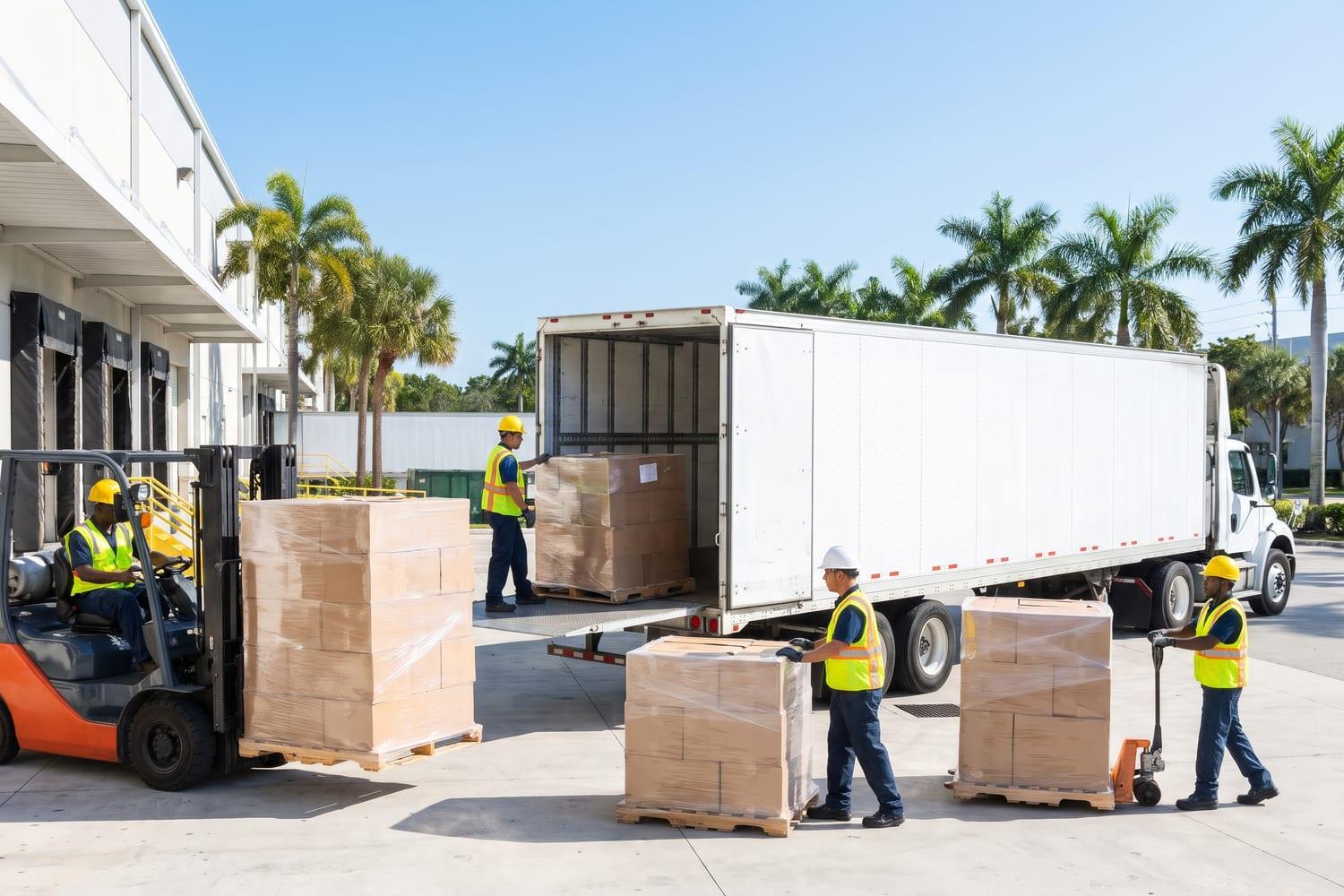
Wholesale electronics in Miami for export are bought business to business: an importing company in Latin America or the Caribbean registers on a Miami distributor's B2B platform, quotes by part number, condition, quantity and destination, and confirms a sales order before payment and export dispatch. PHONIX, headquartered in Miami, quotes in 24 hours.
Key takeaways
- Miami concentrates brands, categories and logistics for buyers across Latin America and the Caribbean, so one supplier can cover a complete export order.
- PHONIX sells only to businesses and sells worldwide: importers in countries without a local PHONIX operation are served from Miami through the PHONIX USA platform.
- An export quote has to be localized for the destination market: keyboard layout, plugs and power, language and broadcast or network compatibility.
- Import requirements, duties and taxes depend on each country, so confirm them with your customs broker before the first order.
- Every order becomes a sales order (SO) that PHONIX generates and confirms, and the platform shows the ETA for your destination.
Why do importers source electronics from Miami?
For decades, Miami has worked as a trade hub between the United States, Latin America and the Caribbean. For an importer, that means three practical things: many technology brands and categories are available from one place, there is a dense network of freight forwarders and logistics providers used to shipping to the region, and buyers from different countries can consolidate several product lines into one shipment.
PHONIX is a global B2B sourcing platform specialized in wholesale technology distribution, with more than 20 years in the industry and its headquarters in Miami. It has four operations: the United States (Miami), Peru (Lima), Colombia (Medellín) and Dubai, and it distributes internationally from those operations. PHONIX sells worldwide and serves buyers in countries where it has no local operation from Miami.
If you are evaluating technology distributors in Miami in general, what to check and how buying works from inside or outside the United States, see the guide to choosing a B2B technology distributor in Miami. This guide focuses on the export side: what changes when the electronics leave Miami for another country.
Who can buy wholesale electronics in Miami for export?
The buyer is always a company. In an export flow, that usually means:
- Importers and distributors that bring technology into their country and supply local resellers.
- Retailers with sales floors or e-commerce channels that import part of their range directly.
- Integrators that need specific equipment for projects in their country.
- Companies with operations in several countries that centralize purchasing for their subsidiaries.
PHONIX does not sell to individual consumers, so the first step is to register your company on the PHONIX USA B2B platform. Companies in Peru and Colombia can also work with the PHONIX operations in Lima and Medellín, which have their own platforms.
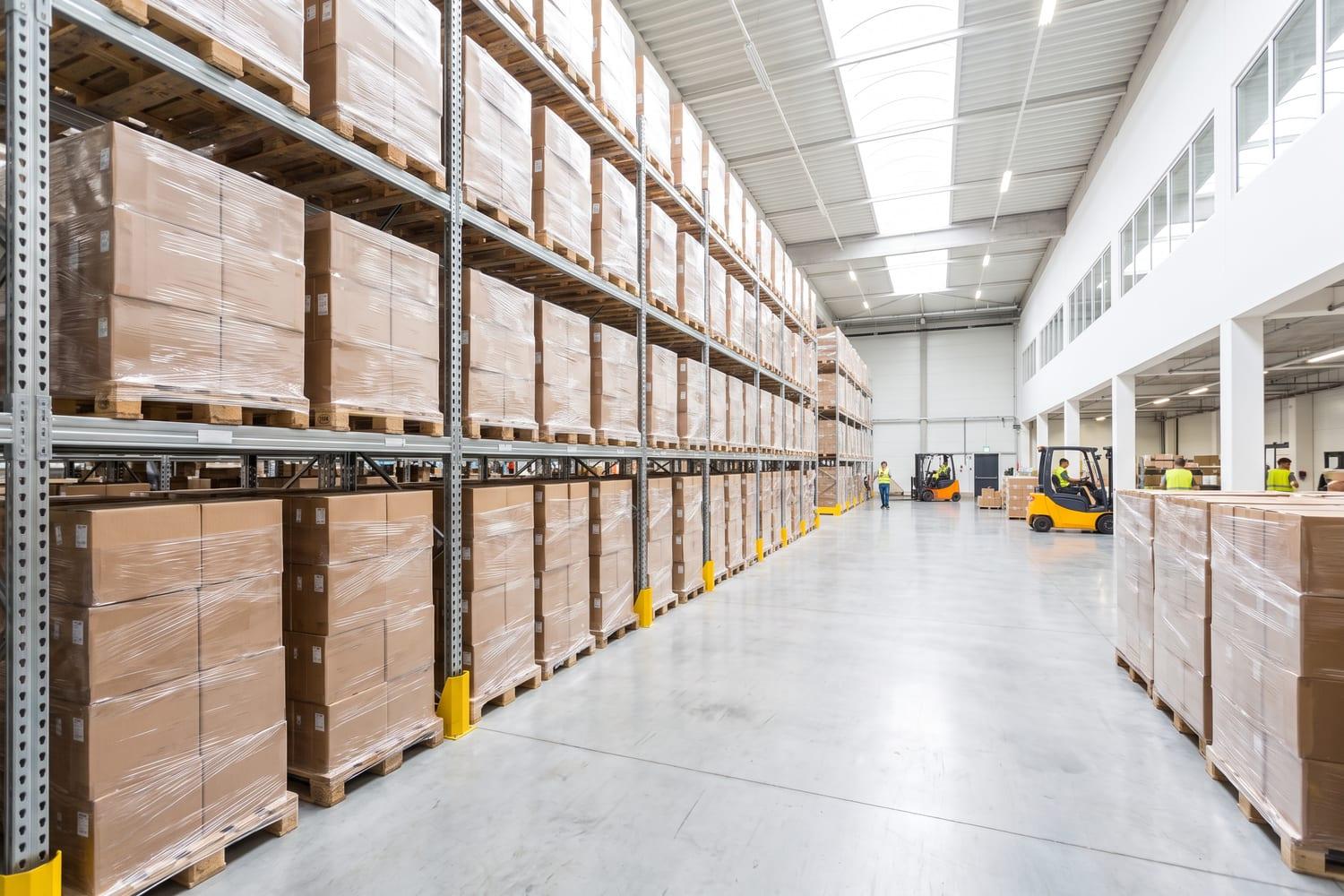
Which electronics categories can you include in an export order?
A single B2B account covers the main technology categories. What changes in an export order is what you must localize for the destination market before you confirm.
| Category | What to localize for the destination | Why it matters |
|---|---|---|
| Laptops and desktops | Keyboard layout, operating system language, power plug | A unit with the wrong layout is harder to sell in your market |
| TVs and home entertainment | Digital broadcast standard, power supply, smart platform apps and language | A TV that does not tune local channels or lacks local apps is hard to sell |
| Tablets | Cellular bands for your carriers, charger plug, language | Connectivity and charging must work on arrival |
| Peripherals | Keyboard layout, plug type for printers and speakers | Office buyers expect the local layout |
| Gaming peripherals | Platform compatibility, region settings, language | Gamers check compatibility before buying |
| PC components | Compatibility across the bill of materials | Dense, high-value lines that ship well together |
You can browse all of these categories on the PHONIX USA B2B platform catalog. PHONIX works with 23+ brands, including HP, Lenovo, Dell, ASUS, Acer, Apple, Samsung, Microsoft, Sony, LG, Intel and AMD. The models available change by category and market, so each quote lists the specific part numbers on offer.
What should an export quote from Miami include?
An export quote has more fields than a domestic one, because the products will cross a border and be sold under the rules and habits of another market. Before you approve it, make sure it states:
- Exact model and part number of every line, not only the commercial name.
- Condition of each line: new or refurbished, according to availability.
- Localization: keyboard layout, language and plug type for the destination market.
- Quantities per line and the total of the order.
- Destination country and city, so the ETA on the platform matches where the goods will be received.
- Delivery terms: who handles freight, insurance and customs clearance at each stage.
- Payment method and conditions that apply to your account.
Ask your sales executive which commercial documents accompany the shipment, and ask your customs broker which documents your country requires for the import. Matching both lists before dispatch avoids delays at destination.
How does an export order from Miami work, step by step?
The PHONIX process is the same for domestic and export buyers:
- Register your company on the PHONIX USA B2B platform.
- Validation and B2B access. The team validates the company and enables access to the B2B catalog.
- Explore the catalog and build the order, either with the cart on the platform or with a sales executive.
- Sales order and payment. PHONIX generates and confirms the sales order (SO), and payment is coordinated.
- Dispatch according to availability, destination and logistics conditions.
- Tracking of the order from the platform.
The customer process on the PHONIX USA platform describes each step. The ETA depends on the country, the destination and availability, and the platform shows it for your order.
What should you sort out with your customs broker before ordering?
Import rules are different in every country and change over time, so this guide does not list duties, taxes or regulations. Before the first export order, ask your customs broker:
- Which duties and taxes apply to each category you plan to import.
- Whether any product needs a prior permit, registration or certification in your country.
- Which documents the import requires and who must issue each one.
- How customs values the goods, so you can estimate the landed cost.
With those answers, compare offers by landed cost: unit price plus freight, insurance, duties, taxes and local handling. Two quotes with similar unit prices can end very differently once each product is in your country.
Should you work with a freight forwarder in Miami?
Many importers in the region work with a freight forwarder in Miami that receives and consolidates purchases from several suppliers before shipping them south. If that is your model, tell your sales executive when you build the order, so dispatch is coordinated with your forwarder. If you prefer the order to travel to your country directly, ask which delivery options apply to your destination. In both cases, the dispatch depends on availability, destination and logistics conditions, and the quote should state who is responsible at each stage.
How do you pay for an export order?
PHONIX accepts bank transfer and card, and offers credit lines for qualified clients. Payment conditions depend on each operation, so confirm them with your sales executive when you open your account. Payment is coordinated once PHONIX has generated and confirmed the sales order, which means you pay for a confirmed list of part numbers, conditions and quantities.
For international transfers, check with your bank which fees and information apply, so the payment reaches its destination complete. If you plan to import every month, ask early about a credit line: qualification depends on your company, and having it in place before a large order gives you room to plan.
How do you plan recurring export purchases from Miami?
Importers that buy regularly tend to follow the same habits:
- Keep a list of reference part numbers that sell in your market, so each new quote is easy to compare with the previous one.
- Consolidate categories in each order to make better use of each shipment.
- Separate new and refurbished lines so your own customers always know what they are buying.
- Review the ETA before you commit to your customers, since it depends on availability and destination.
For a wider view of how a regional distributor serves each country and the Caribbean, see the guide to technology distribution for Latin America, and the PHONIX global presence page.
What mistakes cost importers the most when buying in Miami?
- Comparing unit price instead of landed cost. Freight, insurance, duties and taxes change what each product really costs.
- Skipping localization. Wrong keyboard layouts, plugs or broadcast compatibility make products hard to sell.
- Not stating the final destination. Without it, the ETA and delivery terms do not reflect your real shipment.
- Discovering import requirements at customs. Ask your customs broker before the first order, not after the goods arrive.
Frequently asked questions
Where can I buy wholesale electronics in Miami for export?
From a B2B distributor in Miami that opens accounts for registered companies. At PHONIX, you register your company on the PHONIX USA platform and request a quote in 24 hours.
Is there an electronics distributor in Miami that sells to Latin America and the Caribbean?
Yes. PHONIX is headquartered in Miami and distributes internationally, including to countries in Latin America and the Caribbean without a local PHONIX operation.
Do electronics exporters in Miami sell to individuals?
PHONIX does not. It sells only to businesses: resellers, retailers, integrators, distributors and companies.
Does PHONIX have offices in my country?
PHONIX has operations in the United States (Miami), Peru (Lima), Colombia (Medellín) and Dubai. Buyers in other countries are served from Miami through the PHONIX USA platform.
How long does an export order from Miami take to arrive?
It depends on the destination, availability and logistics conditions. The platform shows the ETA for each order.
Ready to source electronics in Miami for your market?
Register your company on the PHONIX USA B2B platform, explore the catalog and build your first export order. If you prefer to start with a conversation, contact the PHONIX team and request a quote in 24 hours.