



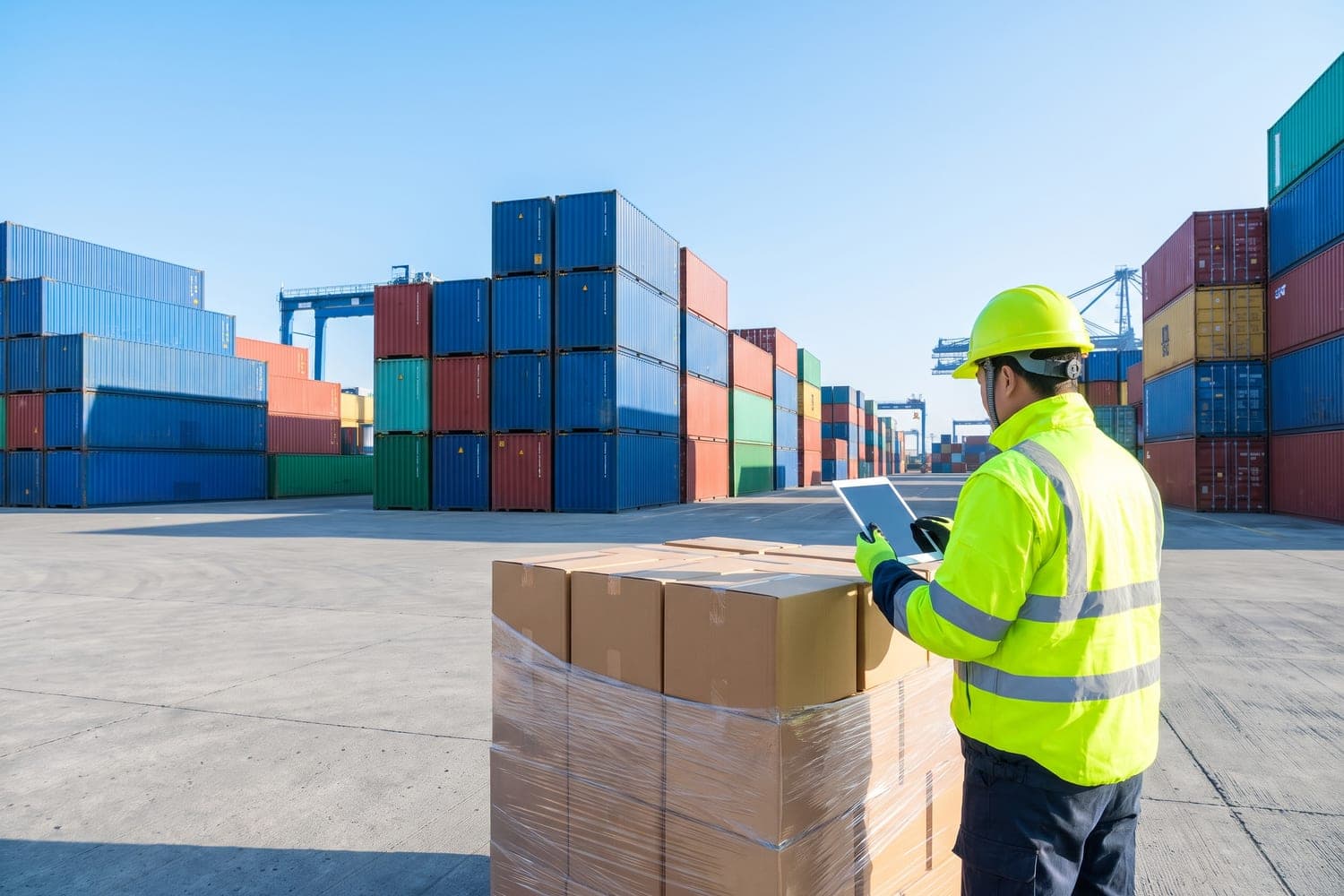
A technology importer in Peru buys laptops, desktops, monitors, components and peripherals abroad, clears them through customs with a customs broker and sells them to resellers and companies. If your business resells technology, you can import on your own or source from a B2B supplier with an operation in Lima, such as PHONIX, which answers quote requests in 24 hours.
Key takeaways
- A technology importer handles several categories at once, and each one has its own technical, packaging and customs details.
- Duties, taxes and permits change by product and over time, so always confirm them with your customs broker.
- Compare the landed cost of the whole order, not the unit price of each line.
- A B2B supplier with an operation in Peru lets you quote several categories and brands in one place; check what the price includes and what stays with you.
- PHONIX has an operation in Lima, works only with businesses and offers new and refurbished products, according to availability.
What does a technology importer in Peru do?
A technology importer is the company that brings technology products from manufacturers or distributors in other countries and makes them available in the Peruvian market. The work starts well before the goods arrive: choosing categories and models, negotiating with foreign suppliers, arranging freight and insurance, hiring a customs broker for clearance, paying the applicable taxes and then selling to resellers, retailers, integrators or companies.
Many resellers prefer not to run that whole chain. They buy from technology importers or from a wholesaler that has already solved that part, and they spend their time selling and serving their own clients. Others do import, usually once they have volume, working capital and experience in foreign trade.
The useful question is not only how to import technology, but which part of the chain makes sense for you and which part is better left to a supplier.
How is importing technology different from importing laptops only?
Importing a single category already takes work. Importing technology in general multiplies it, because each category brings its own questions. If laptops are your only focus, the guide on importing laptops to Peru for resale covers that in detail. This guide focuses on a mixed portfolio.
- More suppliers to coordinate. A monitor manufacturer is rarely the same company as a component maker. Each foreign supplier has its own conditions, schedules and paperwork.
- Compatibility across lines. If you sell assembled PCs or kits, the processor, motherboard, memory and power supply must work together. A compatibility mistake cannot be fixed at customs.
- Different packaging and volumes. A lot of memory modules takes little space; a lot of monitors or desktops takes a lot. That changes freight cost and how the cargo is consolidated.
- Different requirements by product. Some devices, for example those with wireless connectivity, may need additional permits or registrations. Your customs broker will tell you which ones apply to each line.

Which technology products are imported for resale in Peru?
These are the categories most often combined in a technology order for the Peruvian market, with what to check in each one:
| Category | Who buys it | What to check | Where to browse |
|---|---|---|---|
| Laptops | Resellers, retailers, companies renewing equipment | Processor, RAM, storage, operating system, Spanish keyboard layout | Laptops on the PHONIX Peru B2B platform |
| Desktop PCs | Companies, schools, integrators, PC builders | Form factor, processor, ports, operating system license | Desktop PCs on the PHONIX Peru B2B platform |
| Monitors | Offices, contact centers, retailers | Size, resolution, panel, ports, adjustable stand | Monitors on the PHONIX Peru B2B platform |
| Components | PC builders, repair shops, integrators | Socket and chipset compatibility, memory generation, storage interface | Components on the PHONIX Peru B2B platform |
A practical rule: build the order around a type of customer. A company renewing its offices buys desktops or laptops, monitors and peripherals together; a repair shop buys components; a retailer combines everyday laptops with monitors. Ordering this way reduces leftover units and makes the resale easier.
Should you import technology yourself or work with a supplier in Lima?
Both options are valid. This is how they compare for a business that resells several categories:
| What to evaluate | Importing on your own | B2B supplier with an operation in Peru |
|---|---|---|
| Number of suppliers | One or more per category, in other countries | Several categories and brands in one account |
| Import process | You coordinate it with your customs broker | Confirm in the quote what the supplier handles and what stays with you |
| Working capital | You pay the supplier, freight and taxes before you sell | You pay the order under the conditions of the operation; qualified clients can access credit lines |
| Documentation | One set per supplier and per shipment | One sales order (SO) per order, generated and confirmed by the supplier |
| After-sales support | Depends on each foreign supplier | Handled with a single commercial team |
| Scale | Makes sense with high volume and experience | Useful if you want to resell without building your own import operation |
Many businesses combine both: they import the lines they know well directly and buy the rest from a supplier with a local operation.
Which costs should you add up when importing technology?
The price at origin is only one part. To know what an order really costs, add:
- International freight and insurance, which depend on weight, volume and route.
- Import duties and taxes, which vary by product and which your customs broker should calculate for each line.
- Customs broker fees and handling charges at the port or airport.
- Local transport to your business or to your client.
- Financial cost of the money you pay before you sell.
- Replacements and returns, which weigh more in technology when a line arrives with the wrong configuration.
Always compare the landed cost of the whole order. A line that looks cheap at origin can turn expensive if it needs separate freight or an extra procedure.
Which customs steps should you plan for?
Requirements for importing technology change by product and are updated over time, so it is risky to plan with information from a previous shipment. Talk to your customs broker before every new purchase, especially when you add a category you have not imported before. Ask them to review the classification of each product, the taxes that apply and whether any line needs an additional permit or registration.
If you buy from a supplier with an operation in Peru, ask in the quote which part of the process it handles and which part stays with you. That answer changes both your cost and your planning.
How do you evaluate technology suppliers?
Before you choose among technology suppliers, check these points:
- It sells only to businesses and asks you to register your company, a sign that its catalog, quotes and documentation are built for resale.
- It covers several categories and brands, so you do not depend on one supplier per line.
- It quotes by part number, with the condition of each line stated: new or refurbished.
- It confirms every order in writing with a sales order.
- It offers clear payment options, including credit lines for qualified clients.
- It shows the estimated delivery time for your destination before you confirm.
For a closer look at the wholesalers that serve the country, read the guide to computer wholesalers in Peru.
How do you buy technology from PHONIX Peru, step by step?
PHONIX is a global B2B sourcing platform specialized in wholesale technology distribution, with more than 20 years in the industry and 23+ brands, including HP, Lenovo, Dell, ASUS, Acer, Apple, Samsung, Intel and AMD. It has four operations: the United States (Miami, headquarters), Peru (Lima), Colombia (Medellín) and Dubai. In Peru you work with the PHONIX Peru B2B platform, operated from Lima:
- Register your company on the PHONIX Peru B2B platform.
- Validation and B2B access. The team validates the company and enables access to the B2B catalog.
- Explore the catalog and build the order, with the cart on the platform or with a sales executive.
- Sales order and payment. PHONIX generates and confirms the sales order (SO), and payment is coordinated.
- Dispatch according to availability, destination and logistics conditions.
- Tracking of the order from the platform.
The platform shows the ETA for your order, which depends on the destination and availability. You can see the full process on how to buy at PHONIX.
How do you pay for a wholesale technology order?
PHONIX accepts bank transfer and card, and offers credit lines for qualified clients. Payment conditions depend on each operation, so confirm them with your sales executive when you open your account in Peru. Payment is coordinated once PHONIX has generated and confirmed the sales order, which means you pay for a confirmed list of models, conditions and quantities.
What mistakes cost the most when importing technology for resale?
- Looking only at the price at origin. Freight, taxes and clearance costs change the result of the deal.
- Planning with outdated requirements. What applied to a previous import may not apply today.
- Mixing lines without checking compatibility. Components that do not work together are hard to sell.
- Not separating new and refurbished units. Each condition is a different product and needs its own line.
Frequently asked questions
What does a technology importer do?
It buys technology products abroad, arranges freight, insurance and customs clearance with a customs broker, pays the applicable taxes and sells the products to resellers, retailers, integrators and companies.
Where can I buy wholesale technology in Peru?
From a B2B supplier that sells to registered businesses. PHONIX has an operation in Lima: you register your company on the PHONIX Peru B2B platform and request a quote in 24 hours.
Does PHONIX sell technology to individuals?
No. PHONIX sells only to businesses: resellers, retailers, integrators, distributors and companies that buy for their own operation.
Does PHONIX offer refurbished products in Peru?
PHONIX offers new and refurbished products, according to availability in each category and market. The quote states the condition of every line.
Which brands does PHONIX work with?
PHONIX works with 23+ brands, including HP, Lenovo, Dell, ASUS, Acer, Apple, Samsung, Microsoft, Intel, AMD, LG, MSI and Gigabyte.
How do you start sourcing technology in Peru?
Register your company on the PHONIX Peru B2B platform to explore the catalog and build your first order. If you prefer to start with a conversation, contact the PHONIX team and request a quote in 24 hours.